

White doors are supposed to be the easy part of a home. Neutral. Clean. Quietly doing their job in the background. That’s why the moment you start wondering how to clean white doors that have gone yellow, it feels unsettling. It’s not dirt exactly. More like a yellow color creeping in along the edges, around the handle, or sometimes across the whole panel when the light hits it just right.
At first, most people assume it just needs a good wipe. Maybe a deeper cleaning. Something stronger than usual.
That’s usually where the anxiety starts.
White doors don’t forgive mistakes the way darker finishes do. Scrub too hard and you dull the surface. Use the wrong solution and the finish can change permanently. There’s no undo button for that.
So, before getting into how to clean white doors that have gone yellow, it helps to slow down and talk about why this happens, especially in Florida homes, and why cleaning isn’t always the long-term answer people hope it will be.
Why White Doors Turn Yellow (And Why Florida Makes It Worse)
Yellowing doors aren’t usually a cleanliness issue. That’s an important thing to say out loud.
In many homes, the yellowing is a chemical reaction, not grime.
White interior doors, white wooden doors, white internal doors, even white skirting boards and window trim all tend to yellow over time because of a mix of factors:
- UV rays coming through windows
- Humidity reacting with paint and primers
- Oil-based paint or older solvent-based paints aging
- Heat sources like gas heat, ovens, or a nearby range hood
- Volatile Organic Compounds lingering in the air
Florida adds pressure to all of this. Sun exposure is constant. Moisture hangs in the air. Homes don’t get much of a seasonal break.
Paints that held up fine in other climates often struggle here. Older doors, especially white primed doors finished years ago, are more vulnerable. Latex paint behaves differently from oil-based product finishes. Alkyd chemicals used in older coatings tend to amber as they age. That yellowing doesn’t wash away.
Which leads to the next problem.
What Homeowners Try First (And Why It Feels Risky)
Most people don’t start aggressive. They start cautious.
A damp wiping with distilled water. A microfiber cloth. Maybe a cleaning wipe around greasy fingerprints near the door handle.
Sometimes that works. Briefly.
Then the Googling starts.
- baking soda
- white vinegar
- distilled white vinegar mixed in a spray bottle
- ammonia-based glass cleaner
- alcohol swab
- disinfectant spray
- glass cleaner
- furniture polish
These are common home improvement tips. You’ll see them recommended for kitchen cabinets, white cabinets, and white trim all the time.
And to be fair, some of them do improve the appearance at first.
The Risk Most People Don’t Realize
Here’s the part that rarely gets mentioned clearly.
Many DIY cleaning methods don’t just remove stains. They remove the finish.
- Baking soda is abrasive, even when mixed into a paste
- Magic eraser–style products dull cabinet paint and door paint
- Vinegar and ammonia can soften or etch acrylic paint
- Solvents like mineral spirits strip protective layers
You might wipe down a white interior door and think, “That looks better.”
What actually happened is more subtle. The surface got thinner. The protective coating weakened. The door is now more exposed to UV rays and air contaminants than it was before.
That’s how the cycle starts.
The Cleaning Cycle Nobody Warns You About
This is where homeowners get frustrated, and honestly, a little confused.
You clean the door. It looks okay. A few weeks or months later, the yellowing doors are back.
So you clean again. Maybe harder this time. Maybe with a different cleaning method.
What’s happening underneath is cumulative damage.
Each round of deep cleaning removes microscopic layers of finish. The door becomes more porous. It absorbs airborne oils from the kitchen, smoke residue, even residue from a yellowed vent or oven vent nearby.
The door isn’t getting dirtier. It’s getting weaker.
This is why some white doors seem to yellow faster and faster no matter what you do.
At a certain point, cleaning stops being maintenance and starts being erosion.
How to Clean White Doors That Have Gone Yellow
If you’re going to clean, do it gently (and know the limits). There are situations where cleaning makes sense. Especially if the finish is still intact.
If you’re trying to clean white doors without damaging the finish, the goal is preservation, not correction.
A Safer Cleaning Approach
This isn’t about fancy tricks. It’s about restraint.
- Use distilled water when possible
- Mild, pH-neutral cleaning solution
- Soft microfiber cloths or microfiber cloth
- Spot cleaning instead of scrubbing entire panels
- A soft toothbrush only for detailed areas like decorative trim molding
Avoid soaking the surface. Avoid circular scrubbing. Avoid mixing chemicals.
Around door hardware and door handles, a moist sponge followed by a dry cloth is usually enough. For light surface grime near the door frame or window trim, damp wiping works better than aggressive products.
If you’re working near plastic window trim or yellow window trim, be extra careful. Plastic paint and acrylic paint react differently from wood finishes.
And if you notice chalkiness, uneven sheen, or dull spots after cleaning, that’s a sign the finish is already compromised.
Why Professional-Grade Materials Feel “Stronger” But Are Actually Safer
There’s a common assumption that professional products are harsher.
In reality, it’s often the opposite.
Professional-grade cleaners and coatings are designed to clean without stripping. They’re formulated for painted surfaces like interior doors, cabinet construction, and primed doors.
Instead of abrasion, they rely on:
- Controlled chemical balance
- Non-reactive agents
- Protective sealants that slow future yellowing
This is the same philosophy used by kitchen cabinet painters, cabinet makers, and cabinet refinishing professionals. The goal isn’t to strip down to bare material. It’s to stabilize what’s already there.
Done correctly, professional cleaning reduces how often you need to clean at all.
Home Remedies vs Professional Results (The Realistic Comparison)
This is where it helps to be realistic.
Home remedies are appealing because they’re immediate and cheap. Baking soda is already under the sink. Vinegar feels natural. A spray bottle makes it feel manageable.
Professional results look different because they’re built for durability.
Home remedies:
- Improve appearance short-term
- Increase future yellowing risk
- Require frequent repeated cleaning
- Can dull or unevenly alter finishes
Professional-grade approaches:
- Preserve sheen
- Slow oxidation
- Reduce maintenance frequency
- Protect against UV exposure
Neither option is “wrong.” They just serve different timelines.
If you’re planning to replace doors soon anyway, cleaning might buy you time. If you want the doors to stay white for years, cleaning alone usually isn’t enough.
When Cleaning Stops Making Sense
This is the uncomfortable part homeowners tend to avoid.
There’s a point where white doors are no longer dirty. They’re aged.
Signs cleaning is no longer the smart move:
- Yellowing returns within weeks
- The surface looks blotchy or uneven
- Paint feels rough or chalky
- Edges around crown molding or decorative trim look darker
- You keep adjusting the lighting to hide the door
At that stage, cleaning becomes work without payoff.
And this is where replacement starts to make sense, not emotionally, but practically.
Why Modern Replacement Doors Perform Better in Florida Homes
Replacement doors today are not what they were 20 years ago.
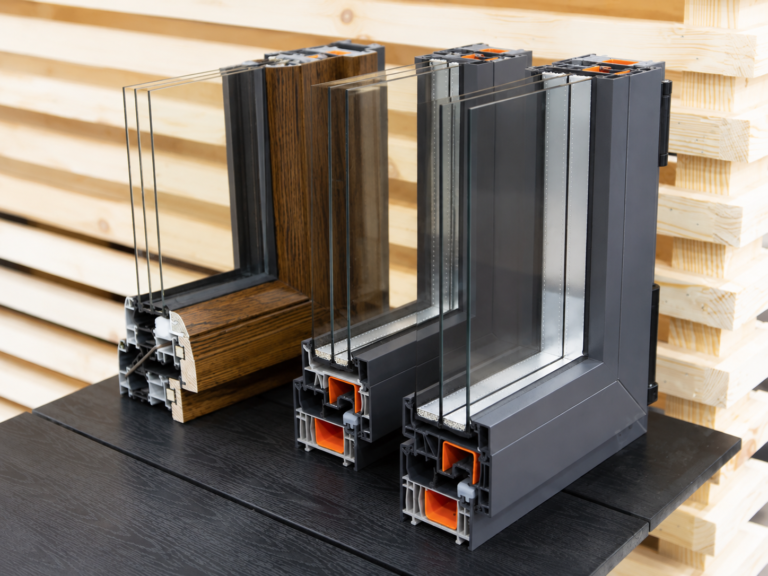
Modern exterior doors and interior doors are built with:
- UV-resistant finishes
- Factory-applied coatings designed for humidity
- Stable materials that resist discoloration
- Better compatibility with modern paints like SW Pro-Classic Acrylic or Sherwin Williams Duration
Colors like White Dove are formulated for long-term stability, not just appearance.
In a Florida climate, that matters more than most homeowners expect.
Replacement isn’t just about looks. It’s about ending the cleaning cycle altogether.
Jacksonville-Specific Reality
Homes in Jacksonville deal with a unique mix of sun exposure, moisture, and older housing stock.
Many houses still have doors finished with oil-based paints or alkyd chemicals that were common decades ago. Those materials yellow. It’s not a failure. It’s chemistry.
Local professionals understand which materials hold up here and which don’t. That local knowledge matters more than generic advice pulled from random blogs.
Clean When You Can. Replace When You Should.
Learning how to clean white doors that have gone yellow can make a real difference, and in many cases, it’s exactly what your home needs. When the finish is still intact, gentle cleaning and targeted care can restore its appearance.
But cleaning has its limits. If the yellowing keeps coming back or the surface is breaking down, replacement often becomes the smarter long-term choice.
That’s where All Florida Exteriors can help. Not to push a sale, but to help you understand where that line is for your home. If you’re unsure which option makes the most sense, a quick conversation can bring clarity and help you choose a solution that truly lasts. Contact us today!
FAQs: How to Clean White Doors That Have Gone Yellow
Q1. Why do white interior doors turn yellow so fast in Florida?
Sun exposure, humidity, and aging paint compounds accelerate yellowing in Florida homes.
Q2. Is vinegar safe for cleaning white doors?
It can help lightly, but repeated use may damage the finish over time.
Q3. Can yellowed doors be restored permanently?
Only if the finish is still intact. Once the coating degrades, replacement is often more effective.
Q4. When should I replace yellowed doors instead of cleaning?
When yellowing returns quickly or the surface looks uneven after cleaning.
Q5. Do new doors resist yellowing better?
Q5Do new doors resist yellowing better?tant and humidity-stable finishes.