

If you’ve ever stepped into your attic in the middle of a Florida summer, you know the feeling right away. The heat hits first. Then the air, thick and unmoving. Homeowners often start Googling how to install soffit and fascia on a gable roof after moments like that, trying to figure out why their attic feels more like an oven than a buffer zone. Most people don’t go up there often, and honestly, we don’t blame them. But that trapped heat tells a story. More often than not, it means your soffit and fascia aren’t doing their job.
At All Florida Exteriors, we spend a lot of time explaining how small exterior details quietly control airflow, energy efficiency, and even roof lifespan. Soffit and fascia installation on gable roofs is one of those things that looks simple from the ground. It isn’t. Not if it’s done right.
This guide is meant to walk you through how soffit and fascia work, what proper installation actually involves, and why ventilation matters more than most people think. If you’re considering a DIY project, this will help you understand what’s involved. If you’re already leaning toward professional installation, it should give you confidence that you’re asking the right questions.
Why Gable Roof Ventilation Is Often a Problem
Gable roofs are common across East and Central Florida. They shed water well. They’re straightforward structurally. But when it comes to attic airflow, they’re often misunderstood.
The issue usually isn’t the roof shape itself. It’s balance. Or the lack of it.
Attic ventilation needs intake and exhaust. Warm air rises, that part is simple. But if fresh air can’t enter through the soffits, exhaust vents don’t work efficiently. We see this a lot. Homes with ridge vents or gable vents, but solid soffits or blocked panels underneath.
Sometimes it’s because of a past re-siding application. Other times, it’s from a fascia cover installed too tightly against the soffit panels. It’s rarely intentional. Still causes problems.
What Soffit and Fascia Actually Do (Beyond Looks)
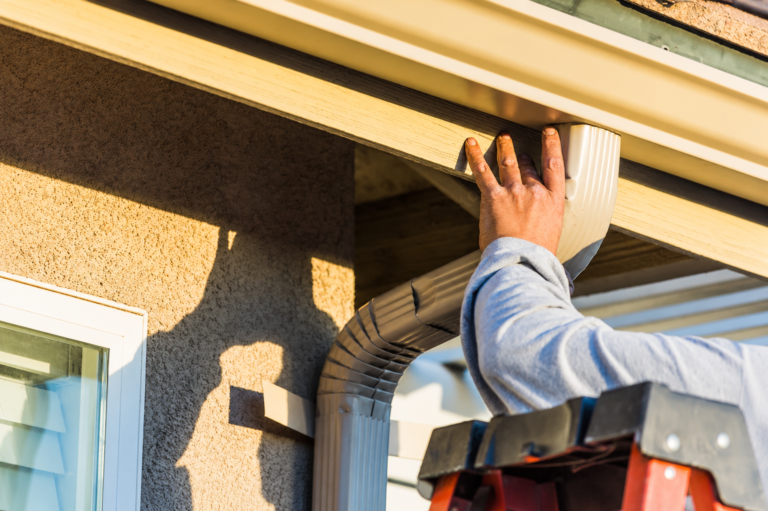
Soffit panels sit underneath the roof overhang. Fascia boards run vertically along the roof edge. Together, they protect the roof structure and guide airflow into the attic.
The soffit, especially vented soffit panels, acts as the intake. Fresh air enters here. It flows upward toward ridge vents or other exhaust points. Fascia supports the drip edge and helps direct water away from the roofing system.
If either one is installed incorrectly, airflow gets restricted. Sometimes completely.
We’ve seen aluminum soffit panels installed perfectly straight, clean lines, no visible issues. But zero vent strips. The attic above was baking.
Looks aren’t the goal here. Performance is.
Choosing the Right Soffit Materials for a Gable Roof
This is where things start to branch out. There isn’t one “best” soffit material for every home.
Vinyl soffit is common. It’s affordable. Easy to work with. Vinyl soffit installation in Jacksonville makes sense for many homeowners, especially when paired with vinyl siding. Aluminum soffit, though, tends to perform better in high-wind regions and coastal guidelines.
Wood soffits? They look great. Tongue-and-groove soffit panels, especially for porch ceilings or gable end soffit details, can be beautiful. But wood soffits require maintenance. And ventilation has to be carefully planned.
Vented soffit panels matter more than the material itself. Continuous vented soffit usually outperforms individual vent strips. Panel grooves and interlocking jointings need to stay aligned. Expansion gap spacing matters too, especially with vinyl.
This is one of those spots where building codes come into play. Florida codes are specific about the net free ventilation area. Guessing rarely works.
Fascia Boards, Drip Edge, and Why Details Matter
Fascia boards do more than finish the roof edge. They anchor the drip edge, support the soffit system, and protect the gable rafter tops and the rake board.
Aluminum fascia is common here. Lightweight. Durable. Resistant to moisture. Aluminum fascia trim paired with a properly installed drip edge keeps water from curling back under the roofing system.
Problems start when fascia cover is installed without accounting for soffit airflow. Or when trim nails are driven too tightly, compressing panels. Or when galvanized finishing nails are swapped for whatever is on hand.
These details feel small. They aren’t.
A Realistic Look at the Installation Process
This is usually where DIY videos get… optimistic.
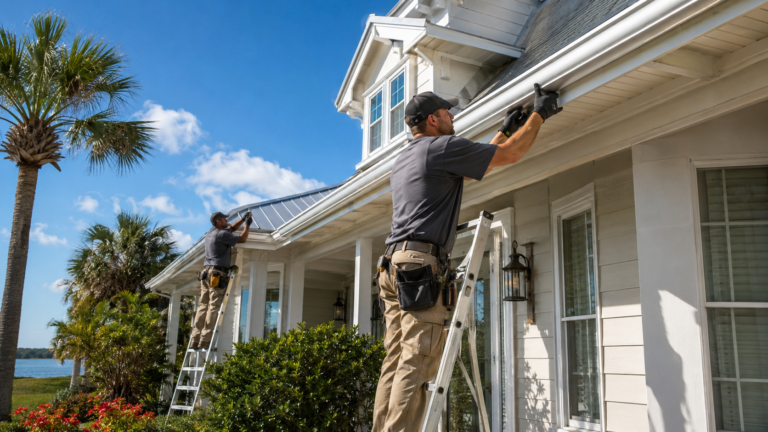
A proper soffit and fascia installation involves inspection first. You check the top plate. Look for rot. Measure gable roofs carefully because symmetry is rare in older homes.
Then comes the layout. F channel or J channel installation. Channel strip alignment. Making sure the F receiver track stays square across the gable end soffit. Small deviations compound fast.
Cutting soffit panels might involve a table saw, miter saw, or utility knife, depending on the material. Aluminum soffit panels often need a clean cut to maintain panel grooves and overlap joint alignment.
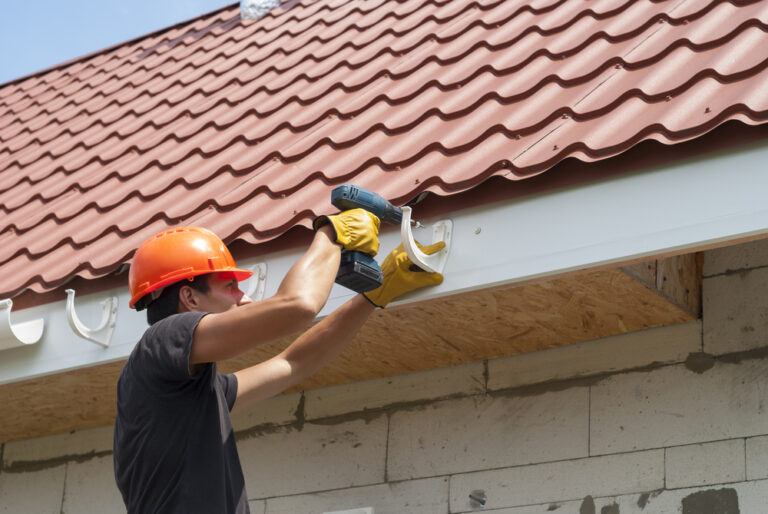
Nailing strips get installed next. Expansion gap spacing matters. Interlocking joints need room to move. Trim nails or galvanized finishing nails are driven snug, not tight.
For fascia, coiled stock is bent using a brake. L shaped cap ends, bird box end details, rake board wraps. Drip edge slips under the shingles, over the fascia trim.
It’s not hard work. But it’s precise work. And on a ladder, precision feels different.
Gable Roofs vs Hip Roofs (Quick Side Note)
I think this matters, even if it’s a tangent.
Hip roofs naturally distribute airflow more evenly. Gable roofs rely heavily on soffit intake along the eaves. That’s why soffit repair in Jacksonville often starts with ventilation complaints, not visible damage.
The roof shape changes the strategy. Ignoring that leads to mixed results.
Energy Efficiency: Where Homeowners Actually Feel the Difference
This is the part homeowners notice first. Lower attic temperatures. Less strain on HVAC systems. More stable indoor comfort.
A properly vented soffit allows hot air to escape instead of lingering. Moisture moves out. Insulation performs the way it should.
Energy savings don’t always show up immediately. Sometimes it’s gradual. But over time, the difference becomes obvious.
And there’s the roof lifespan factor. Excess heat shortens shingle life. Moisture leads to rot. Ventilation helps prevent both.
Building Codes, Coastal Guidelines, and Why They Matter
Florida building codes exist for a reason. High-wind regions, hurricane exposure, and humidity. These conditions change how soffit and fascia should be installed.
Fastener spacing. Approved soffit materials. Aluminum fascia thickness. Nailing flange requirements. These aren’t suggestions.
Coastal guidelines also influence material choice. Aluminum soffit and aluminum fascia hold up better near salt air. Vinyl can work, but installation quality matters more.
Skipping this step is how “it looked fine” turns into “why is my fascia loose after one storm?”
DIY Project or Professional Installation?
This is usually where homeowners pause.
A DIY project can work if the scope is small. Maybe a porch ceiling. Sometimes, replacing damaged wood soffits with vinyl soffit panels. But full soffit and fascia installation on gable roofs is different.
You’re dealing with airflow design, not just materials. Mistakes aren’t always visible from the ground. And fixing them later costs more.
Professional installation isn’t just about speed. It’s about knowing how systems interact. Roofing system. Siding. Ventilation. Drainage.
At some point, experience matters more than tools.
Why Jacksonville Homeowners Call All Florida Exteriors
Most people who call us aren’t looking for a lecture. They’re uncomfortable. High energy bills. Hot rooms. Whether it’s soffit and fascia installation near me searches, vinyl soffit installation Jacksonville, or fascia repairs tied to re-siding applications, there’s a sense that something isn’t working.
We focus on soffit and fascia installation that actually improves ventilation. Not just cover it up. Our approach is the same. Inspect first. Explain clearly. Install correctly.
No shortcuts. No guessing.
Final Thought | How to Install Soffit and Fascia on a Gable Roof
If your attic feels like an oven, your soffit and fascia might be the reason. Or part of it. The fix isn’t always dramatic, but it’s rarely accidental.
If you’re looking into soffit and fascia installation in Jacksonville, or trying to figure out how to install soffit and fascia on a gable roof without creating new airflow problems, it’s worth taking a closer look at what you already have. Sometimes a small adjustment makes a noticeable difference.
And if you’d rather not think about vent strips, expansion gaps, or gable rafter tops at all, that’s okay too. That’s kind of the point.
You can contact us at All Florida Exteriors for an honest assessment. No pressure. Just clarity.
Frequently Asked Questions | How to Install Soffit and Fascia on a Gable Roof
Do gable roofs need soffit vents?
Yes, most gable roofs benefit from soffit vents because they provide the intake air needed to keep heat from building up near the gable peak. Without a vented soffit, even well-installed fascia boards and fascia trim won’t prevent stagnant air. Proper panel grooves and V grooves in vented soffit panels are what actually let the system breathe.
How much ventilation does an attic need in Florida?
In Florida, building codes generally call for a balanced ratio of intake and exhaust ventilation, often around 1 square foot of net free vent area for every 150 square feet of attic space. That balance depends on the installation process, including clear airflow paths from soffit vents up through the roof. Humidity and heat make proper sizing especially important here.
Can soffit and fascia installation affect energy bills?
Absolutely. When soffit panels are installed with proper nailing strips, F receiver track, and uninterrupted airflow, hot air exits the attic faster. That reduces strain on your HVAC system and improves overall energy efficiency.
Is soffit and fascia work a realistic DIY project?
Some homeowners try it, using tools like a utility knife, impact driver, or even a custom jig to cut panels cleanly. The challenge is less about cutting and more about details like spacing, panel grooves alignment, and securing fascia trim without blocking vents. Small errors during installation can affect ventilation long after the project looks finished.
What usually causes soffit or fascia ventilation problems?
Common issues include blocked vent paths, misaligned frieze runner channel, or fascia installed too tightly against the soffit. We also see problems when adhesive like PL Premium glue is overused, or when backing support, such as a block of 2×6, isn’t placed correctly behind the fascia. These details matter, especially on homes with distinctive roofing styles.