

If you’ve ever stood in your living room and paused mid-conversation because a truck roared past outside, you already understand the problem. Florida homes are loud. Sometimes louder than we expect. Road noise, neighbors, lawn equipment, planes overhead. It’s why so many homeowners start searching for how to soundproof windows without replacing them before they ever consider a bigger upgrade.
Add storms, wind pressure, and the way heat and humidity slowly wear down seals, and windows start to feel like thin barriers instead of protection.
Most homeowners don’t begin by thinking, I need new windows. They ask a softer question first. How do I quiet my home without tearing everything out?
That’s a reasonable place to start. And in many cases, there are things you can do. Some work better than others. Some help is just enough. Others sound great online and disappoint in real life. Especially in Florida.
Let’s walk through what actually helps with noise reduction, where the limits are, and when it’s time to stop patching and start upgrading instead.
Why Outside Noise Gets Inside So Easily
Sound doesn’t need much of an invitation. It travels as sound waves, and those waves look for weak points. Gaps. Thin glass. Old frames. Areas where air moves freely.
In Florida homes, those weak points show up faster than in cooler climates. Heat expands materials. Humidity breaks down sealants. Wind pressure flexes frames during storms. Over time, small gaps and cracks grow just enough to let noise slide through.
Older homes often have single-pane windows or aluminum frames. Builder-grade windows in newer homes can also struggle with noise control. Not because they’re “bad,” exactly, but because they were never designed for serious noise attenuation.
So when people say their house suddenly feels louder, it’s usually not sudden at all. It’s cumulative.
Can You Soundproof Windows Without Replacing Them?
Short answer: Yes, sometimes. Longer answer: You’re usually reducing noise, not eliminating it.
There’s a difference between soundproofing and noise reduction. Full soundproofing requires mass, airtight seals, and layered materials. Most DIY solutions focus on the weakest link, which helps, but only to a point.
That distinction matters. Especially if your expectations are high.
How to Soundproof Windows Without Replacing Them
Start with the simplest fixes first. Before buying specialty products, it’s worth checking the basics. They’re not glamorous, but they’re often overlooked.
1. Seal the Gaps You Can’t See
Even small openings let sound pass through. Airborne noise loves gaps.
- Weatherstripping tape
- Self-adhesive foam tape
- Snug Fit compression tubing
- Acoustic caulk or acoustic sealants
These are inexpensive and easy to apply. Focus on where the sash meets the frame and around the trim. If you feel air movement, sound is coming with it.
In Florida, this step also helps with energy efficiency. Better seals mean less heat transfer, lower energy bills, and fewer drafts during storms.
It won’t silence traffic. But it often takes the edge off.
2. Window Inserts: One of the More Effective Options
Window inserts, sometimes called interior storm windows or secondary glazing, sit inside your existing window frame. They create an extra air gap, which disrupts sound waves.
There are different types:
- Acrylic panels
- Interior acrylic glazing
- Custom-crafted inserts
- Professional inserts with compression seals
Well-made inserts can noticeably reduce road noise. Some achieve meaningful improvements in STC rating (Sound Transmission Class), which measures how well a window blocks sound.
But there are caveats.
In humid climates, poor installation can trap moisture. Cheap inserts may flex or rattle. DIY kits that rely on friction alone don’t always maintain an air-tight seal over time.
They’re a solid mid-level solution. Not perfect. Sometimes very good. Sometimes just okay.
3. Curtains, Drapes, and Soft Treatments
People often try soundproof curtains, noise-reducing curtains, or soundproof drapes next. They’re easy to install and visually appealing.
Heavy fabric absorbs some sound, especially higher frequencies. Echo reduces. The room feels calmer.
But outside noise? Engines. Sirens. Bass vibrations? These curtains don’t stop much of that. They help more with interior acoustics than exterior intrusion.
We think they’re best used as part of a layered approach, not a standalone fix.
4. Window Film and Other Popular Add-Ons
Soundproof window film and window film in general get oversold. They can reduce vibration slightly and help with heat control, but their impact on noise is modest.
Same with window foam, sound insulation foam, or thin acoustic panels applied directly to glass. They may dampen resonance, but they don’t add enough mass to stop serious noise transmission.
Some homeowners experiment with:
- Window plugs
- Mass-loaded vinyl
- Studio-style acoustic foam panels
- Carbon panels
These can work in apartments or studios where windows aren’t exposed to the weather. In Florida homes, they often feel temporary or intrusive. And they don’t address storm performance at all.
The Florida Catch: Noise, Storms, and Safety Are Connected
This is where Florida becomes different.
Most soundproofing solutions focus on noise alone. But in Florida, windows also face:
- Hurricane winds
- Wind-driven rain
- Flying debris
- Pressure changes
DIY noise fixes don’t improve storm resistance. They don’t meet building codes. They don’t protect against impact.
In fact, some temporary solutions can make storm prep harder. You don’t want to wrestle with window plugs when a storm warning hits.
Quiet is nice. Safety is not optional.
When DIY Soundproofing Stops Making Sense
There’s usually a moment when homeowners realize they’re stacking solutions without getting real relief.
Some signs:
- You’ve sealed gaps, added inserts, and still hear traffic clearly.
- Windows rattle during storms.
- You see condensation between panes.
- Frames feel loose or outdated.
- You’re concerned about break-ins or hurricanes.
This is where noise reduction windows and full replacement start to make sense. Not because DIY failed, but because the structure itself is the limit.
Why Replacement Windows Handle Noise Better
Modern replacement windows are designed differently.
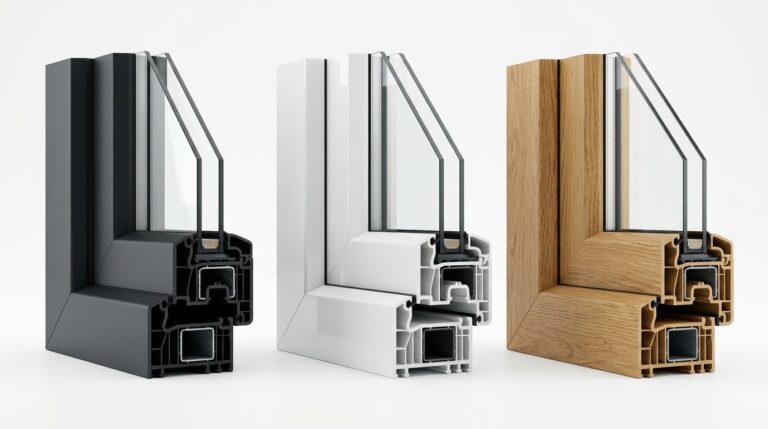
Double-pane windows, double glazing, and triple-pane windows use multiple layers of glass separated by an insulating space. Some include laminated glass with an acoustic polymer interlayer that dampens sound.
This isn’t just thicker glass. It’s acoustic-grade glass engineered for noise control and thermal insulation.
Benefits tend to stack:
- Reduced outside noise
- Better insulation
- Lower energy bills
- Improved storm performance
- Increased property value
And unlike temporary fixes, these benefits don’t fade over time.
Laminated and Impact Windows: A Florida Advantage
Laminated window systems use glass with multiple layers bonded together. This structure absorbs sound and resists impact.
That’s why many sound-resistant windows also qualify as impact-rated windows.
You get:
- Noise attenuation
- Storm protection
- Enhanced security
- UV and heat reduction
It’s one upgrade solving multiple problems. Which, honestly, is why many Florida homeowners eventually choose it.
Jacksonville-Specific Considerations
Homes near major roads, military bases, or busy corridors experience constant road noise. Coastal areas deal with wind pressure and salt exposure. Older neighborhoods may still have original windows.
Local installation matters. A quality window installed poorly underperforms. A skilled window installer understands local conditions, codes, and exposure.
That’s where working with a Jacksonville-based provider like All Florida Exteriors makes a difference. The window type matters. So does how it’s installed.
Cost vs. Long-Term Value
DIY fixes feel cheaper upfront. But when you add up:
- Inserts
- Sealants
- Curtains
- Films
- Replacements over time
Costs creep up. Replacement windows are a larger investment, but they’re one-and-done. Plus, energy savings and durability change the math long term.
Who Should Consider Professional Window Installation
You’re probably a good candidate if:
- Noise affects sleep, stress levels, or even blood pressure
- You plan to stay in your home long-term
- You want storm protection without extra prep
- You’re tired of temporary solutions
Noise isn’t just annoying. Chronic exposure raises stress hormone levels and heart rate. It wears people down. Quiet matters more than we admit.
Conclusion | How to Soundproof Windows Without Replacing Them
Some homes only need better sealing. Others need a more serious solution.
The key is knowing which situation you’re in before spending money. A professional evaluation can help determine how to soundproof windows without replacing them, or whether full window replacement is the option that will actually solve the problem.
That’s the kind of clarity most homeowners are really looking for.
If you’re exploring window installation Jacksonville FL or simply want honest advice from an experienced Florida window company, starting with an expert assessment is often the smartest move.
Sometimes sealing a few gaps is enough. Sometimes it isn’t.
And knowing the difference saves time, money, and a lot of frustration. If you want help figuring that out, our team at All Florida Exteriors is happy to take a look and walk you through your options. Contact us today!